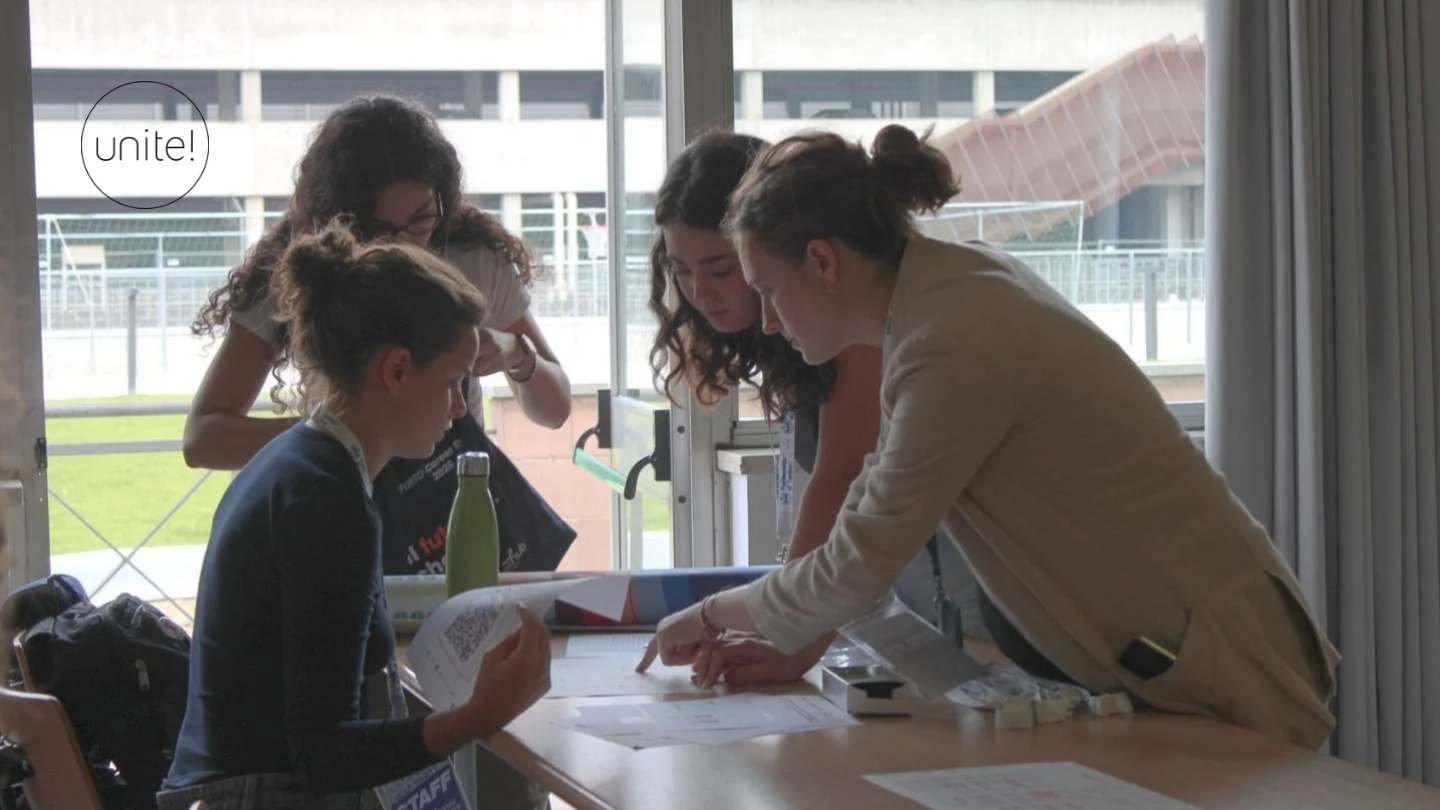
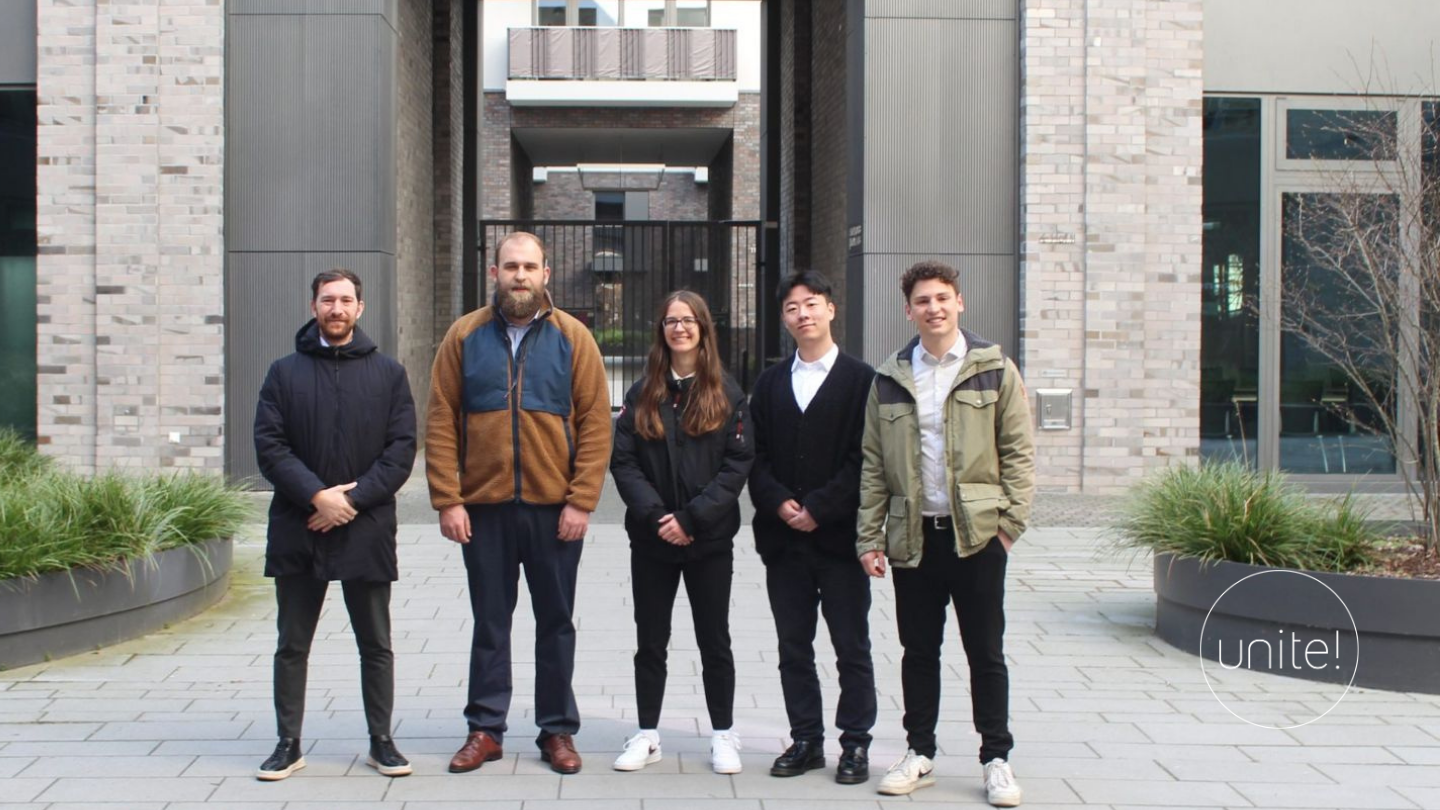
More than 300 representatives from nine partner universities of the Unite! network gathered at the Politecnico di Torino to discuss the future of European higher education.
Representatives of the Wrocław Tech took an active part in the meetings. “This is an important moment for the alliance. On the one hand, we are reviewing what has already been achieved; on the other, we are planning the coming years of activity,” said Prof. Kamil Staniec, Vice-Rector for Education.
The balance of achievements to date is very positive. The number of opportunities offered to students, doctoral candidates and staff has significantly exceeded initial expectations. The Unite! catalogues for students and staff include more than 150 opportunities, ranging from blended courses and summer and winter schools to online programmes and professional development workshops for academic staff.
“At the same time, new and exciting initiatives are emerging—both in the area of mobility and educational cooperation. This shows that we have built a solid foundation on which we will continue to develop our collaboration,” Prof. Staniec added.
The Dialogue programme featured plenary sessions, workshops and discussions focused on long-term strategies and upcoming funding opportunities. A key element was the “Future Vision” sessions—conversations about the alliance’s medium- and long-term role in the context of the evolving European and global higher education landscape, with particular emphasis on ideas to strengthen the competitiveness of the European Union.
“We are no longer managing projects alone—we are building an institution. We are strengthening our governance structures, in the process of establishing legal personality, and increasingly integrating our strategies by embedding Unite! into the core missions of our universities. This is a process that requires trust, patience and openness, but above all collective intelligence,” emphasised Vivien Quéma during the opening ceremony. He also noted that today—more than ever—Europe needs strong, innovative and responsible universities. “In a world of geopolitical tensions, technological competition and rapid social change, universities are not observers—they are key actors. The mission of Unite! is to educate the leaders of the future and to strengthen Europe’s competitiveness and resilience in knowledge, innovation and cooperation,” Quéma added.
The next Unite! Dialogue will be held this autumn in Stockholm and organised by the KTH Royal Institute of Technology.